

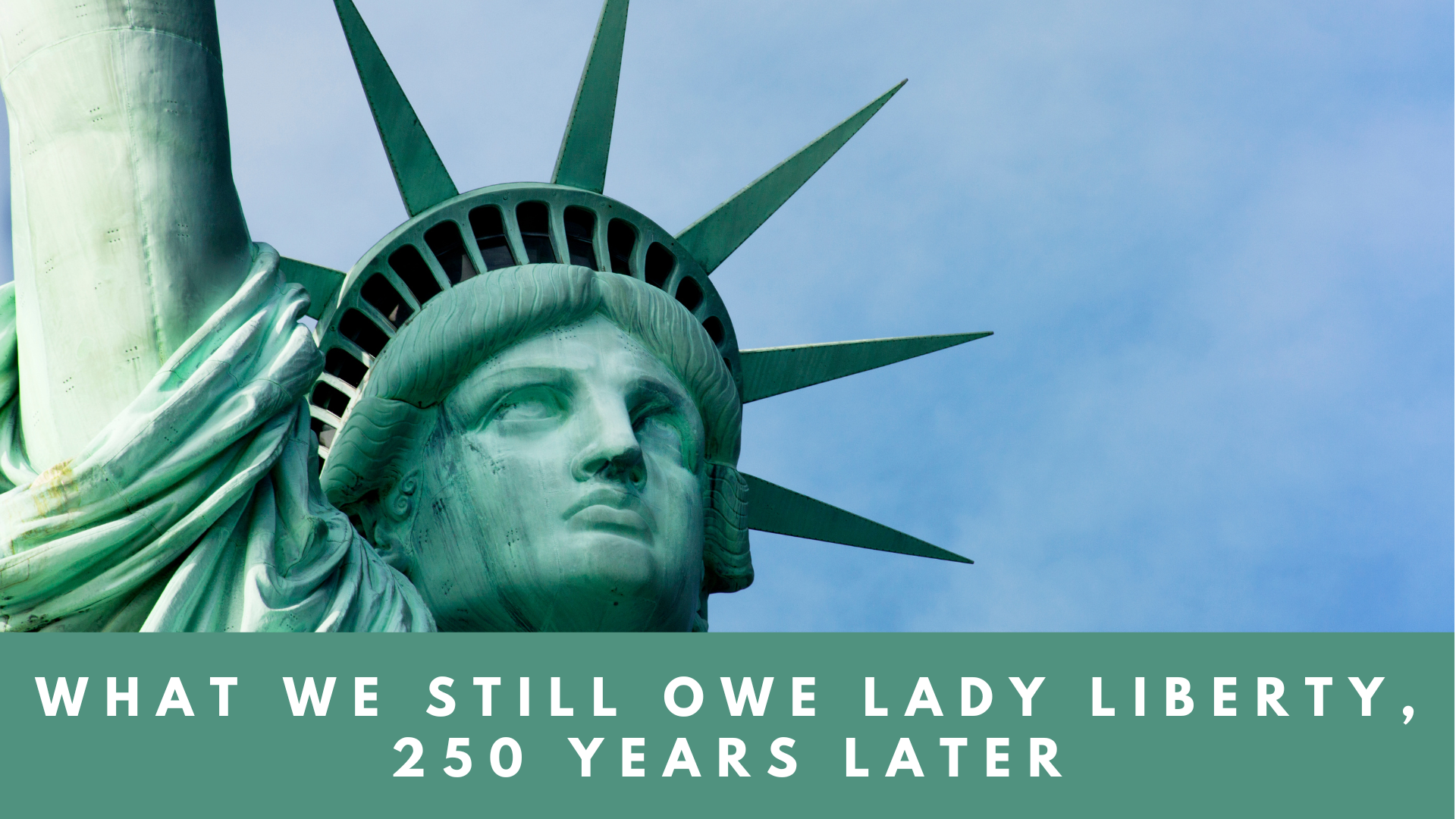
What we still owe Lady Liberty, 250 years later
Last week we visited our son in New York City and made a trip to the Statue of Liberty and Ellis Island. My two younger sons hadn't been there since they were very young.
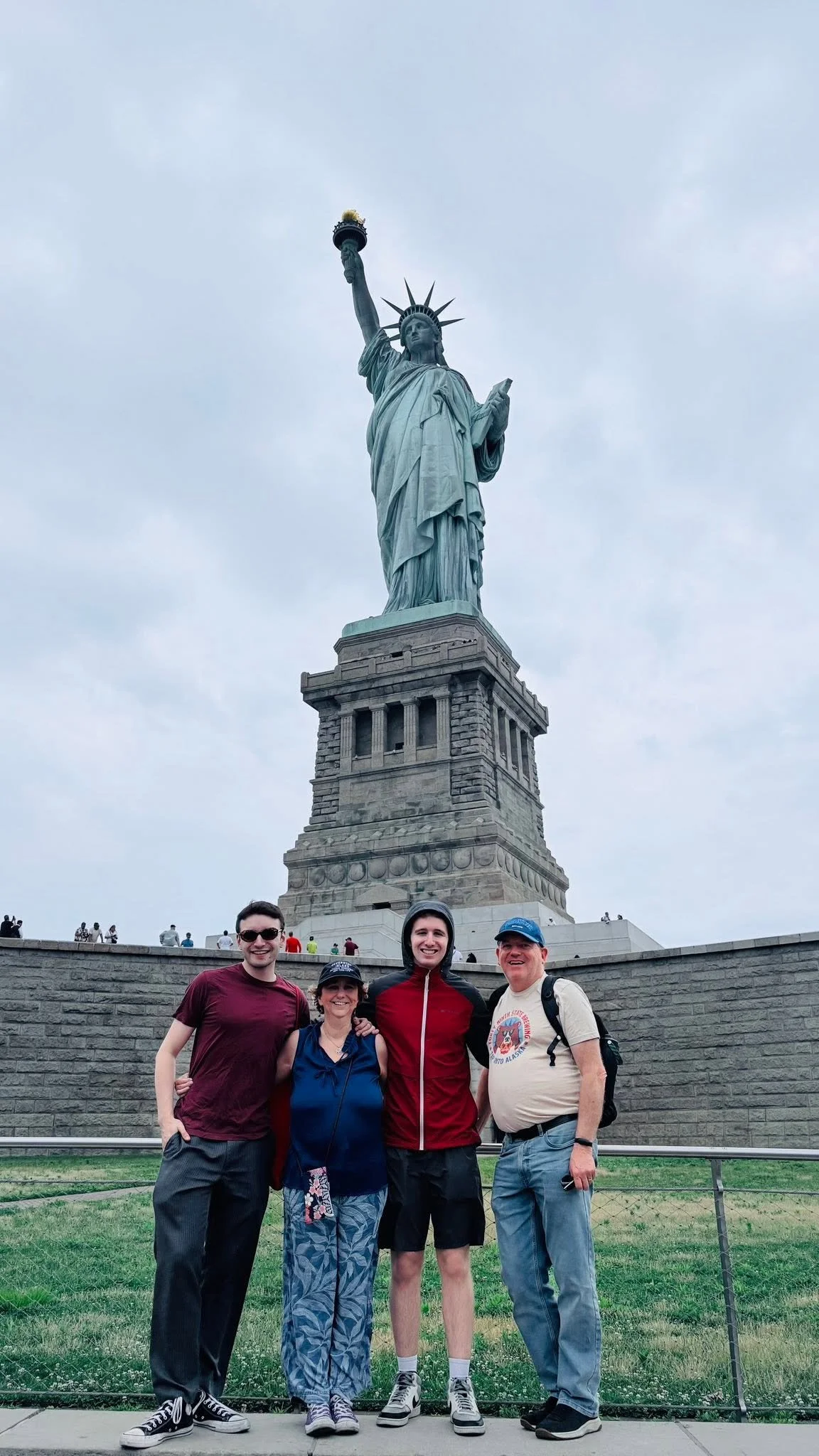
A windy, wet day at the Statue of Liberty and Ellis Island
I found the experience moving and poignant against the backdrop of anti-immigrant sentiment raging through the country, with constant racist, xenophobic rhetoric from the administration and new laws and court decisions shaping the future of our nation.
It also made me ponder our country's 250th anniversary coming up, and what has happened to our American values.
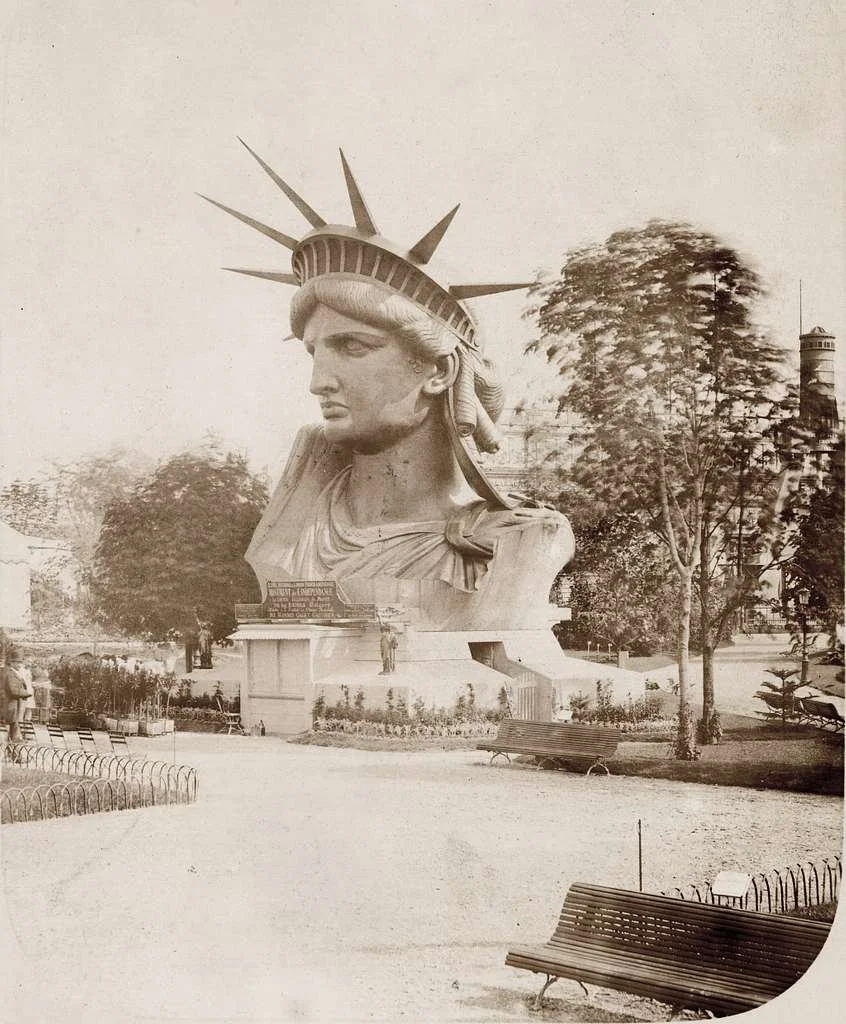
The Statue of Liberty’s head on display in Paris
A monument born from contradiction
Since I last visited in 2008, the Statue of Liberty has gained an outstanding museum showcasing its history. Although the statue has come to signify a welcome to immigrants and a symbol of freedom to the whole world, it hasn't meant that to everyone, and the museum doesn't shy away from that truth.
In 1865, French abolitionists and sculptor Frédéric Auguste Bartholdi envisioned the statue as a celebration of the Union victory after the Civil War and the end of slavery in the United States. That's why Lady Liberty is depicted breaking free from oppression, stepping on a pair of broken shackles and chains at her feet.
The bronze plaque bearing "The New Colossus," Emma Lazarus's poem, wasn't added until 1903, 17 years after the statue's dedication: "Give me your tired, your poor, your huddled masses yearning to breathe free."
A note on what gets left out
I'm glad to see more museums and interpretive displays reflecting the full history of how things were built. On a tour of Governors Island, a former military installation just a few minutes by ferry from Battery Park, my astute, well-educated 19-year-old asked whether it had been built by enslaved people. A quick search confirmed the truth: enslaved African men cleared the land and constructed many of the island's earliest municipal and defensive structures. None of the interpretive displays mentioned that. I'm grateful my son is willing to look deeper at what lies beneath the surface.
Of course, when the Statue of Liberty was erected, many on the margins pointed out the distinct lack of liberty for the majority of the population. In 1886, white men made up only 43 to 44 percent of the U.S. population. Although the 15th Amendment granted Black men the right to vote in 1870, Jim Crow restrictions, poll taxes, and intimidation tactics made it extremely difficult for them to participate. The approximately 66,000 to 250,000 Native Americans in the United States were often excluded from census counts and weren't granted U.S. citizenship until decades later, the height of irony. The Chinese Exclusion Act heavily restricted immigration and forbade Chinese laborers from becoming citizens.
Lady Liberty, restricted from voting
Given the near total lack of rights for women at the time, it's strikingly tone deaf to have chosen a woman to represent liberty for all. Women didn't have the right to vote, and they weren't even allowed to attend the statue's official dedication. In response, the New York State Woman Suffrage Association rented a steamer and circled the harbor. They held up signs and passed out proclamations denouncing the statue as a "gigantic lie, a travesty, and a mockery."
"It is the sarcasm of the 19th century to represent liberty as a woman, while not one single woman throughout the length and breadth of the land is as yet in possession of political liberty," remarked Matilda Joslyn Gage, one of the suffragists who protested the unveiling.
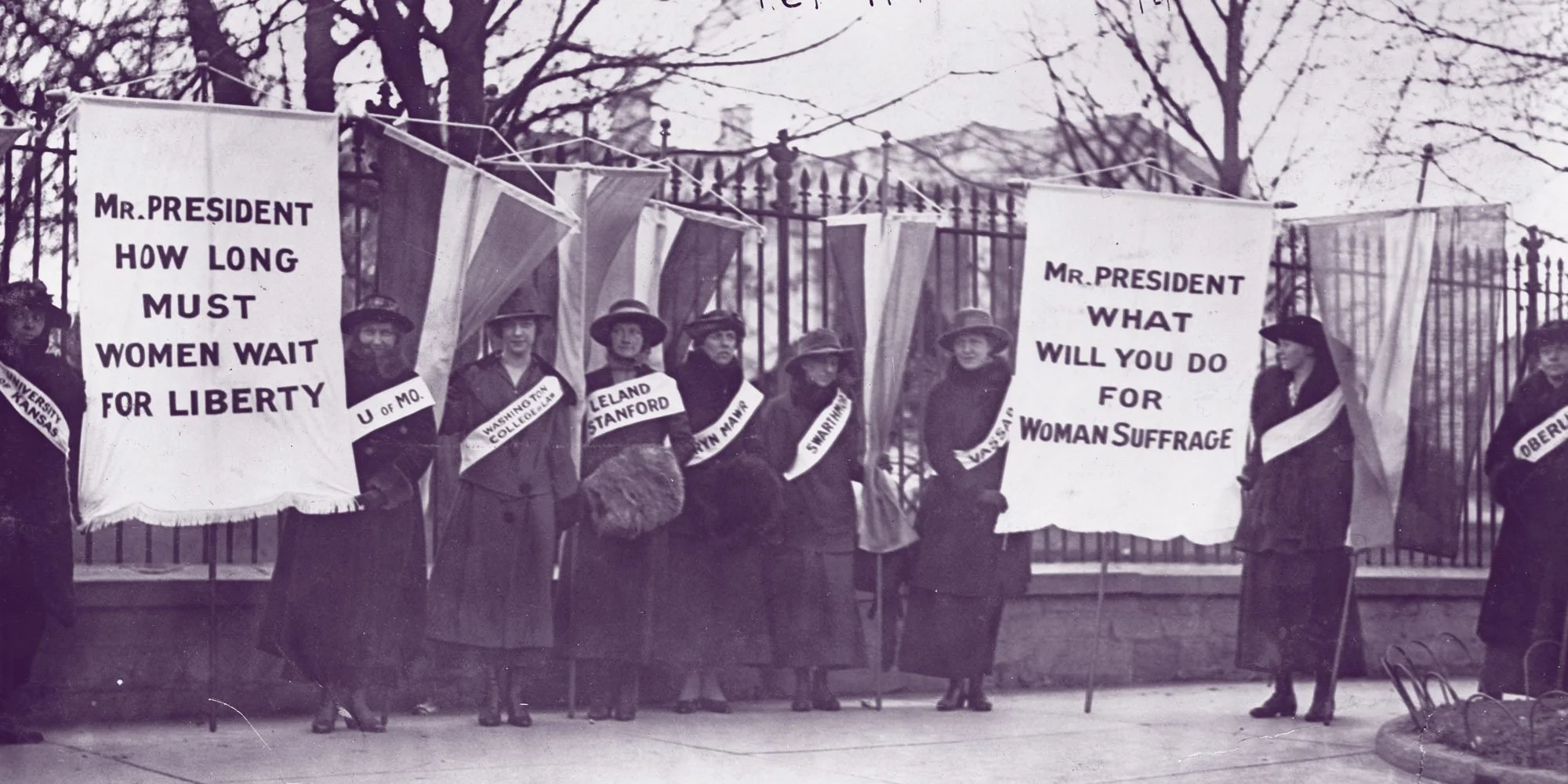
Suffragists protesting at the White House
The unfinished promise at 250
As we prepare to celebrate our semiquincentennial, my friend Sankar Raman, founder of The Immigrant Story, argues that "there is an unfinished promise and a myth associated with America at 250 years old." He asks, in Oregon Arts Watch: "What becomes of a nation when its conduct drifts ever further from the principles it claims to cherish?"
He points out that the self-evident truth that "all men are created equal," endowed with the unalienable rights to "life, liberty and the pursuit of happiness," was crafted by “men who themselves owned enslaved human beings, revealing a profound contradiction at the heart of the American story. Our nation continues to celebrate the mythic grandeur of its founding ideals despite the fact that, from its very inception, many were deemed unworthy of the protections those ideals promised and were excluded from living out the promise of the American Dream.”
So how do we celebrate the semiquincentennial, days after the Supreme Court upheld the administration's decision to end temporary protected status for immigrants from Haiti and Syria, a decision rooted in racist rhetoric and slander? This country is giving a giant middle finger to "your tired, your poor, your huddled masses," moving further and further away from the idealistic vision of the American Dream.
Sankar argues we must have the courage to reckon with our country's failures, sins, and pains. But he also believes "the ideals put forth 250 years ago remain among the most powerful moral aspirations ever committed to paper. The tragedy of the American story is not that those truths were false; it is that we have so often failed to live by them."
Choosing how we celebrate
Whether we celebrate this country's birthday on July 4 or choose not to, we must continue to fight for these ideals with hope and courage. I encourage you to celebrate what you love most about the USA. We need joy to sustain the fight for the greater good, and to help fulfill the promise of Lady Liberty.
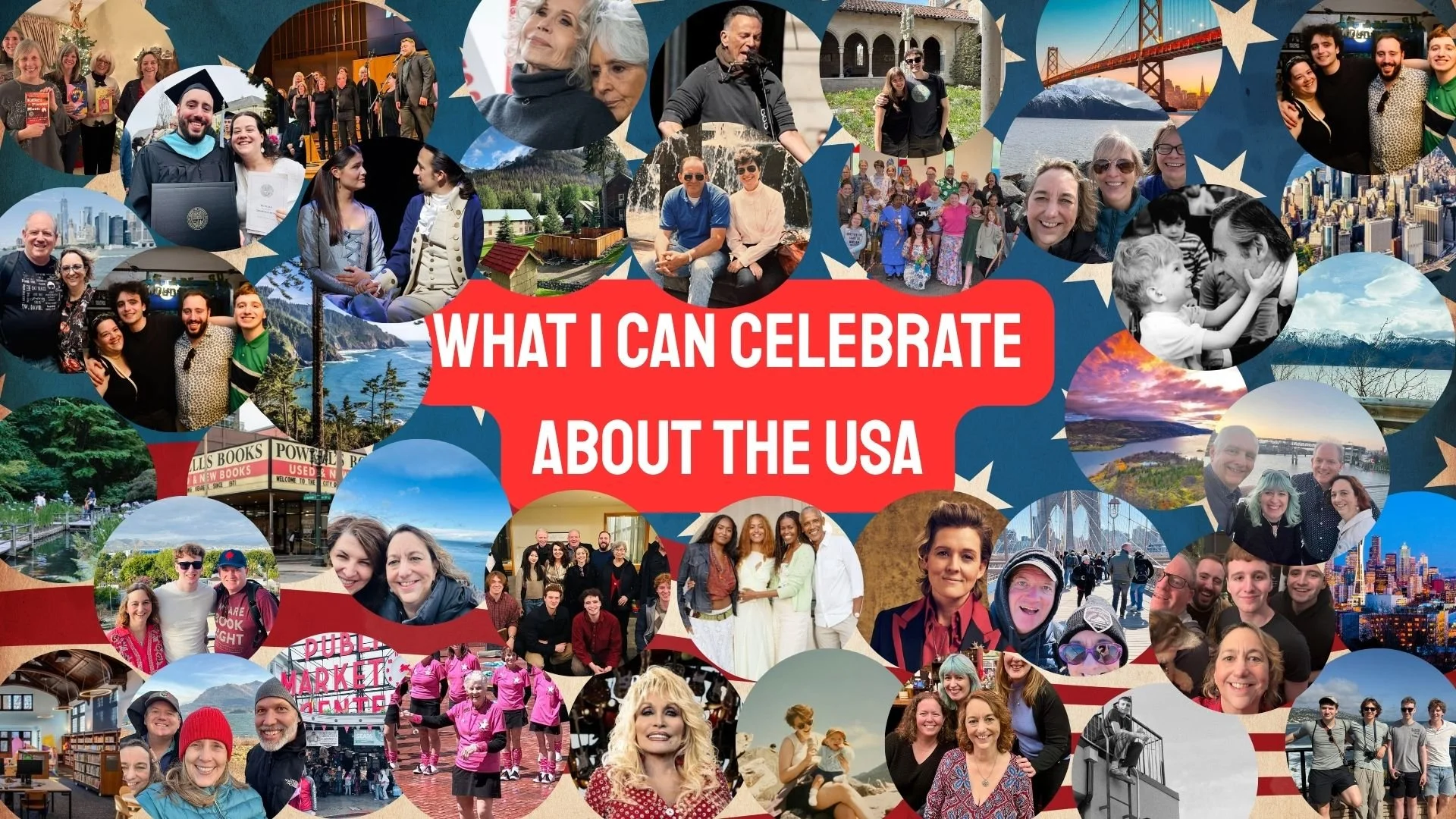
My own celebration will be centered on these things I cherish
Let’s make your message the one they remember. Fertile Ground Communications transforms complex ideas into clear, compelling messages that capture attention and inspire action. Whether you’re a small business, public agency, or nonprofit, we help your voice break through the clutter and connect authentically with your audience.
